Rebranding Before a Series A: When It's Worth It, What It Involves and What It Costs

Adrian KuleszoCo-founder
Table of contents
Most startups don’t need a full rebrand before a Series A. Many do need a refresh: the brand they made at pre-seed, often in a weekend, no longer matches the company they’ve become.
We run brand projects for seed and Series A companies at DesignMe, often next to the website and the pitch deck. Here’s how to tell whether it’s worth doing before your raise, what it involves, how to time it and what it costs.
Refresh, rebrand or rename
These three words get used as if they mean the same thing. They don’t, and the difference sets the cost, the timeline and the risk.
A refresh keeps what already works, such as the name, the recognition and the core colours, and fixes what feels dated or inconsistent: type, layout, imagery, the visual identity system and how it’s applied. It’s the right choice for most companies with some brand equity to protect.
A rebrand changes the identity more deeply: a new logo, new colours, a new voice, sometimes a new position in the market. It’s for companies whose old brand points at the wrong customer or the wrong category.
A rename changes the name, the domain and everything attached to them. It needs a legal reason or a strong strategic one, because it resets recognition and adds weeks of legal and technical work.
| Option | What changes | Right for |
|---|---|---|
| Refresh | Type, layout, imagery and the visual identity system; the name, recognition and core colours stay | Most companies with some brand equity to protect |
| Rebrand | A new logo, new colours, a new voice, sometimes a new position in the market | An old brand that points at the wrong customer or category |
| Rename | The name, the domain and everything attached to them | A legal reason or a strong strategic one |
When it’s worth doing before a Series A
A Series A deck gets forwarded to partners who were never on the call. They read the deck, open the website and look at the product, often in that order. The brand is part of the evidence that this is a company ready for the next stage.
Refresh before the raise when one of these is true:
- You’ve moved upmarket. The brand was built for early adopters, and you now sell to enterprise buyers, procurement teams or regulated industries.
- You’ve changed category. You started as a tool and became a platform, or added AI and the old brand still describes the old product.
- The deck, site and product look like three companies. Different type, colours and components in each place make a careful reader wonder what else is inconsistent.
- The brand can’t stretch. It works on a logo and nothing else, so every new page, deck and trade show booth gets improvised.
- The name has a problem. Someone else holds the trademark in your market, or the name gets confused with a competitor. Fix this before the round, not after.
Hardware, industrial and DTC companies have one more trigger: packaging, spec sheets and retail or distributor materials that look less credible than the product. Those take longer to change, so they need the most lead time.
When to wait
Don’t rebrand to fix a weak story. If the deck doesn’t make a clear case, a new logo won’t either. Start with the story, using our guide to the slides investors expect and the free pitch deck checklist.
Don’t start four weeks before you send the deck. A brand made under that pressure ends up half applied, with a deck on the new brand and a site on the old one. If time is that short, keep the brand and make the deck and website consistent with each other.
And if the brand is plain but consistent, it’s probably fine as it is. Spend the time on the deck and the website.
What a brand sprint involves
Our brand projects run in five stages, usually in 4 weeks or less for a focused sprint:
- Discovery. A brand audit, a competitor review and what the brand should feel like, with the founders and whoever sells.
- Style explorations. Moodboards and visual directions, with colour and typography options and how they’d look on the website and product.
- Brand explorations. Identity concepts applied early to real things: the homepage, a deck slide, a product screen.
- Brand system. The logo system, visual identity and brand guidelines your team can actually use.
- Handoff. Organised Figma files with components and variables, so designers and developers can apply it without guessing.
Then the brand gets applied to the website, the deck, the product UI, sales materials and social. That’s where most of the visible change happens, and where most rebrands stall if nobody owns it.
If you’re renaming, add legal and technical work. Search and file the trademark with a lawyer before you commit: the US Patent and Trademark Office charges a base fee of $350 per class, and the UK IPO starts at £205 and usually takes 3 to 4 months to register a mark. A new domain needs a full redirect map and a Change of Address in Google Search Console, which we cover in how to build a redirect map.
How to time it around the raise
Work back from the date you plan to send the deck. A sequence that works:
- Weeks 1 to 4: brand sprint, from discovery to a brand system.
- Weeks 3 to 8: website on the new brand. Design can start once the direction is chosen, before the guidelines are final.
- The last 1 to 2 weeks: the pitch deck on the new brand, built from the same type, colours and components as the site.
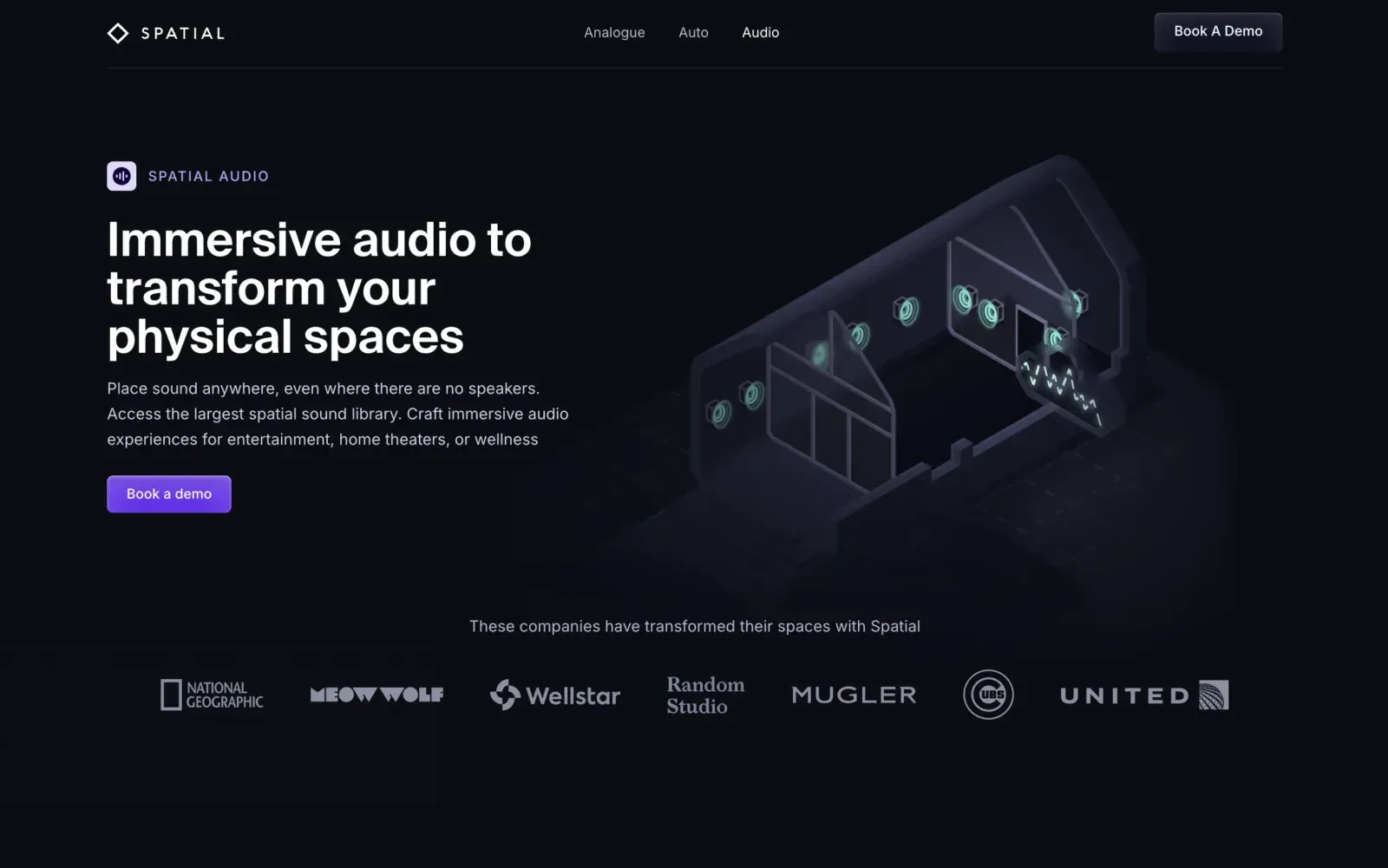
That’s two to three months from kickoff to sending. Lightdash is a good example of the shape: we refreshed the brand, website and product UI before its $11M Series A, led by Accel, and the new website went live in 8 weeks. The round was the team’s own work; our job was to make the brand, website and product match the company’s next stage. You can read the full Lightdash case study. For a faster example, Spatial’s brand refresh and new website took 4 weeks, ahead of a product launch.

What it costs
At DesignMe. Brand sprints cost $10,000 to $20,000, depending on the depth of the strategy and how many applications you need. If you want the brand and the website together, Brand + Landing Page is $16k and goes live in 3 weeks, and Brand + Website + Launch Video is $25k for a 5 to 8 page site with CMS, live in 4 to 8 weeks. A pitch deck on the new brand runs $2,500 to $5,000 at early stage and $5,000 to $10,000 at Series A. Seed-stage teams backed by YC, a16z or another institutional investor get 10% off the packages. Every price is on our pricing page, and the website cost calculator prices a site with a brand refresh added.
Across the market. Clutch’s branding pricing guide, updated September 2026, says most branding projects reviewed on the platform cost $10,000 to $49,999, with an average project of about $71,650 over 8 months. Agencies in North America and Western Europe typically charge $100 to $149 an hour.
The costs that don’t appear on the invoice. Founder and team time in reviews, trademark filings if you rename, reprinting anything physical, updating every template, and the week someone spends replacing old logos in places nobody remembered. Plan for them, and give one person ownership of the rollout.
The bottom line
Rebrand before a Series A when the brand tells investors something untrue about the company: that it’s smaller, earlier or in a different category than it is. Refresh rather than rebrand whenever you can, start two to three months before you send the deck, and design the brand, website and deck as one system so a reader sees one company.
DesignMe designs brands, websites and pitch decks for funded startups and B2B companies, often all three at once. If you’re weighing a refresh before your raise, send us your site and deck and we’ll reply within one business day, or book a 30-minute call with Adrian:
Sources
- Clutch, "Branding pricing guide" (updated 21 September 2026, accessed 10 October 2026) (opens in a new tab)clutch.co
- United States Patent and Trademark Office, "How much does it cost?" (accessed 10 October 2026) (opens in a new tab)uspto.gov
- GOV.UK, "Register a trade mark: apply" (accessed 10 October 2026) (opens in a new tab)gov.uk
- Google Search Central, "Site moves with URL changes" (accessed 10 October 2026) (opens in a new tab)developers.google.com
- Lightdash, "Lightdash raises Series A" (7 October 2024) (opens in a new tab)lightdash.com
Press Escape to close.