
Early stage
$2,500 to $5,000
Pre-seed and seed: investors see dozens of decks a week, so the first five slides do the work.
- Story in the right order
- Slides on your brand
- Charts for your key numbers
- Rounds of iteration with you
Cookies
We use cookies for analytics and to measure our ads, only if you allow them. You can change this any time in Cookie settings. Privacy policy
Always on. Keeps the site working and remembers choices like your theme and this one.
Shows us which pages are used, so we can improve them (Google Analytics, Microsoft Clarity, Ahrefs).
Measures our ads and helps us reach the right people (Google Ads, Meta, X, Apollo).
Pitch deck design
We shape the story, design the slides and chart your numbers, so the deck still makes sense when it’s forwarded without you.
Decks designed for teams like
Decks for teams that raised
Rounds as announced or confirmed. The raise is theirs; we designed the deck and the brand around it.
$100.5M+ undisclosed
Raised by founders we designed decks for
Announced and confirmed rounds only. Quotient and Zinq AI are not counted.
See every round on our fundraising page$72M
Raised across three rounds
Case study: N3XT$12.5M
Seed round, raised as Datawizz (now Gamut)
Case study: Datawizz$11M
Series A
Case study: Lightdash$5M
$1.8M pre-seed and $3.2M seed
$5M
Raised to date, from our case study
Case study: QuotientPrivate
Amount not disclosed, backed by Stockdale Capital Partners
How it works
Story first, slides second. Most of the work is deciding what the deck says and in what order.
Days 1-2
We read your deck, notes and numbers, then agree the story: the problem, why now, what you do, the proof and the ask.
Typical outputs:
Days 2-3
One idea per slide, in order, as headlines you can read top to bottom. You approve the outline before any design starts.
Typical outputs:
Week 1
Type, colour, grids and components from your brand, so the deck matches your site. No brand yet? We set the basics.
Typical outputs:
Week 1-2
Traction, market and financials as charts that land in a second, and diagrams that draw the problem instead of listing it.
Typical outputs:
Week 2
The final deck in the tool your team presents from, plus a PDF built to be read on a laptop or a phone when it gets forwarded.
Typical outputs:
Deck anatomy
Most decks open with what the company does before anyone cares why it matters. We start with the problem.
Nothing else on it. It is the one line people repeat after the call.
On the team slide, the thing each person has done that makes them right for this company.
Decks get forwarded and opened without you, so every slide has to make sense on its own.
What we design
Investor decks first, and the materials around them, all on one brand.
The story in the right order and a strong first five slides, for pre-seed and seed rounds.
A deck that works when partners who were never on the call read it, in email and on a phone.
A template for monthly or quarterly updates, with charts your team can refresh.
The same story for customers and partners, shorter and closer to the product.
Charts, diagrams and covers for the documents investors read after the first meeting.
Keynote, Google Slides or Figma layouts your team can update without breaking the design.
Pricing
Priced by stage. Slide count matters less than the rounds of iteration, the story work and the deadline.
Early stage
Pre-seed and seed: investors see dozens of decks a week, so the first five slides do the work.
Series A and above
The deck gets forwarded to partners who were never on the call, so it has to work on its own.
Usually 1 to 2 weeks
Inside a deck
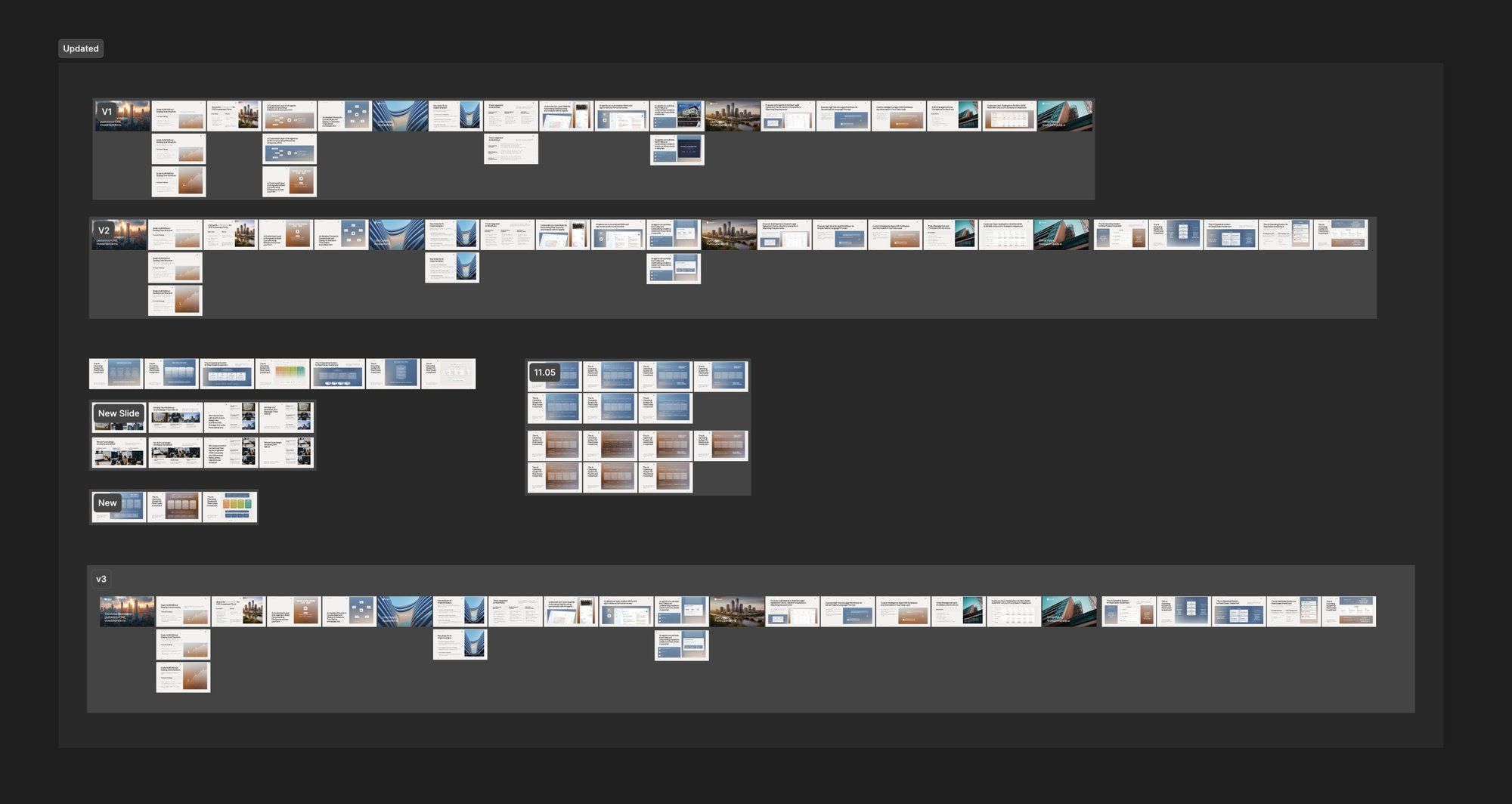
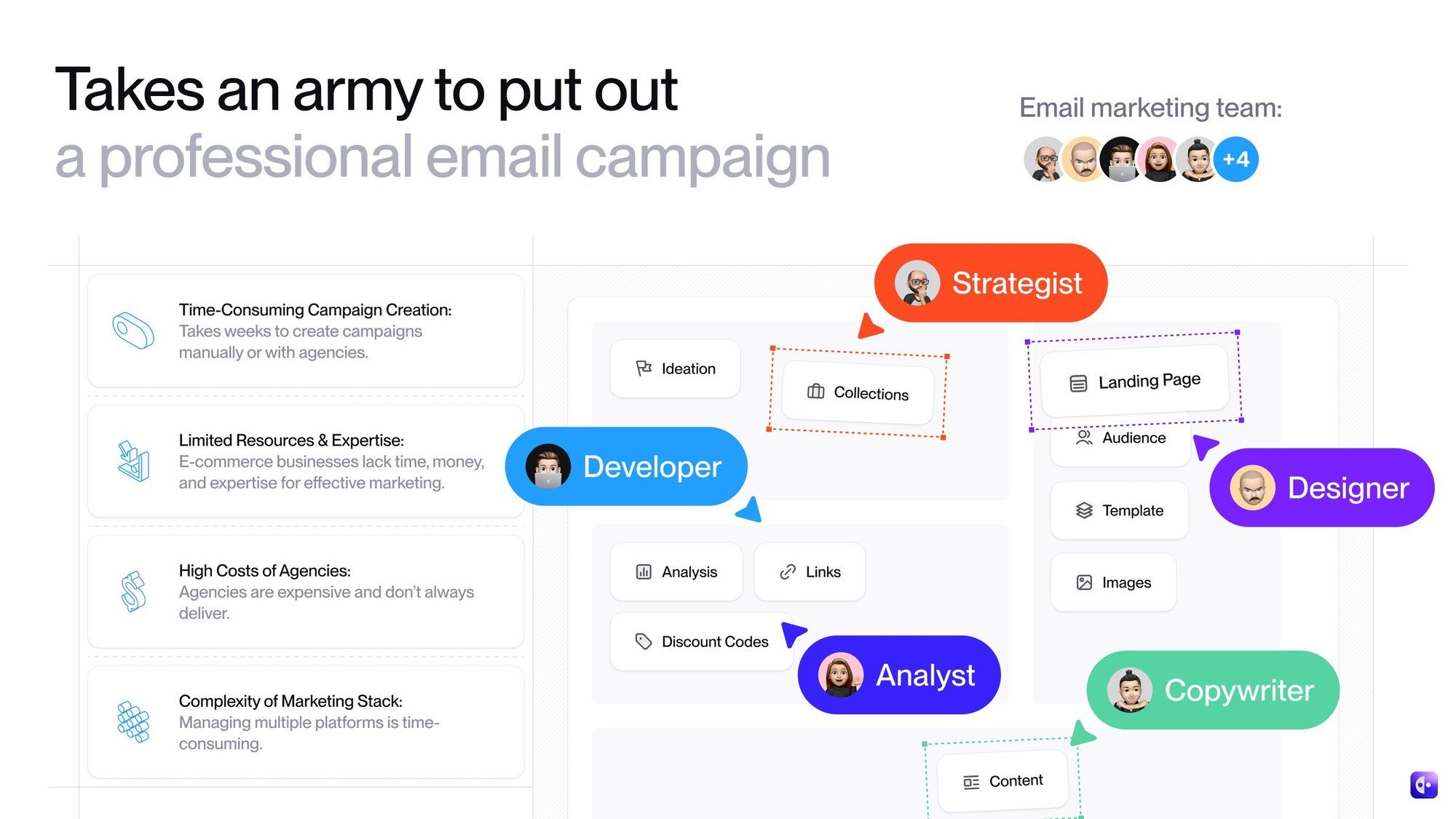
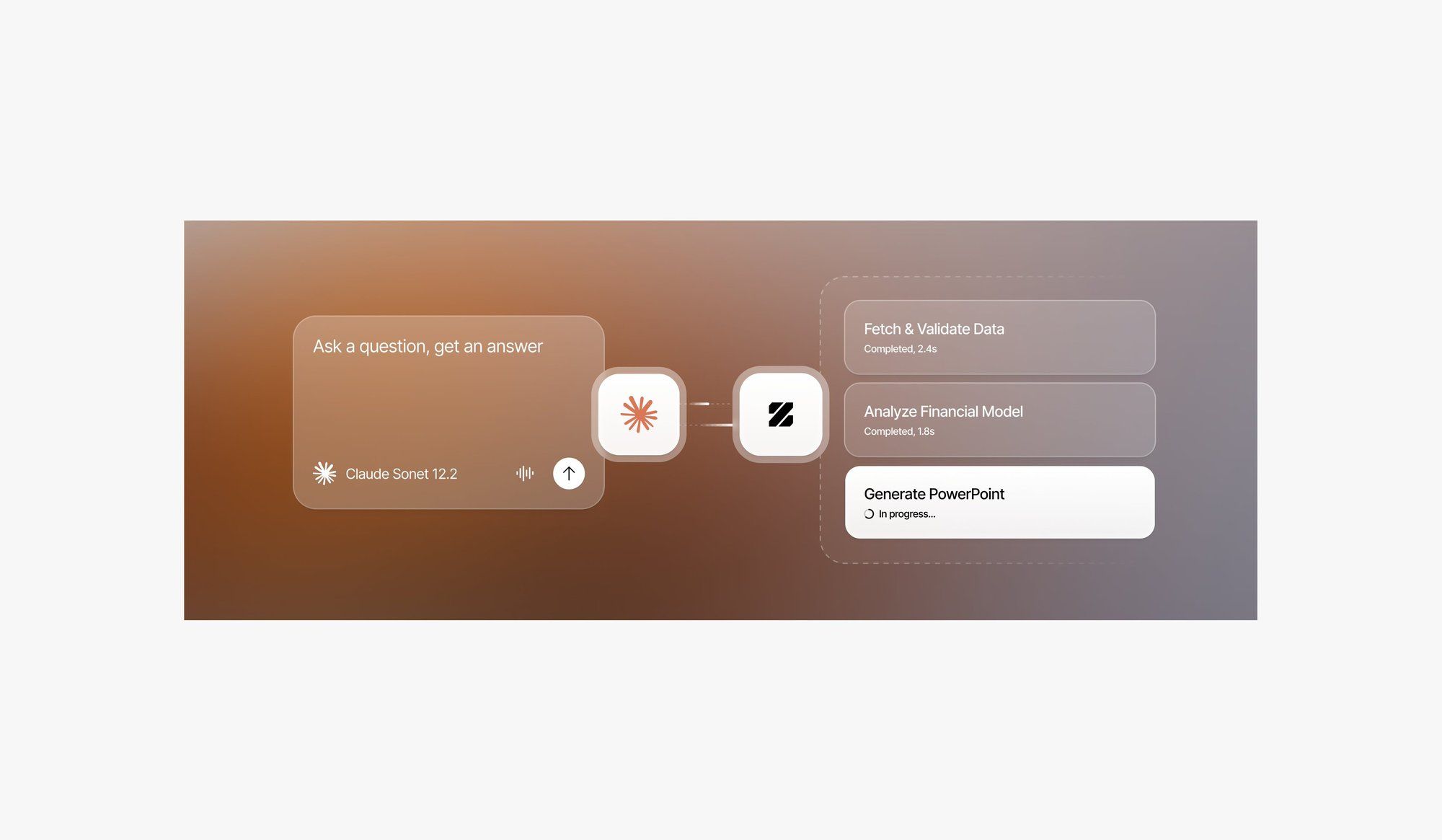
Versions of one deck side by side in Figma, a Quotient problem slide, and an AI workflow drawn as a single idea.
Testimonials
“Their versatility and expertise are unmatched. Working with DesignMe has been incredible.
They quickly grasped our business model and vision, transforming our landing page, creating pitch decks, and more.”
 Brooks GammillCo-Founder @RecruitU
“Overall, they're an ideal partner for early-stage tech startups: easy to collaborate with, tech-savvy, modern in approach, and reasonably priced.
What stood out most about DesignMe was their impeccable design sense and aesthetic.”
 Max DavishCo-Founder and CTO
“Adrian is a phenomenal designer. He and the DesignMe team have shaped all the visuals for Datawizz, from brand and marketing collateral to our website.”
 Iddo GinoFounder & CEO
“I was impressed with their great outputs and wonderful design outcomes!
Excellent project management capability, centralized in one person who orchestrates the projects' tasks and aligns the efforts to the needs. Very able to switch priorities on the fly.”
 Aurelien BonnelCTO @N3XT
Faqs

Have a raise coming up?
Send us your current deck. We’ll tell you what we would change first.
At DesignMe, early-stage decks run $2,500 to $5,000 depending on slides, iterations and speed, and decks for Series A and above run $5,000 to $10,000. Our pitch deck pricing guide breaks down what moves the price.
Usually 1 to 2 weeks from the first call to the final files. A deck due in two weeks costs more than one with a month of runway, because it takes the team off other work.
Freelancers usually charge $500 to $2,000 and deliver clean slides, often from a template, while you bring the story and slide order. Full agencies charge $5,000 to $20,000 and up, which usually covers narrative strategy, research, several revision rounds and a longer timeline. Match the spend to the size of the round.
Problem, why now, what you do, proof, then the ask. Most decks open with what the company does before anyone cares why it matters, and the vision deserves its own slide with nothing else on it.
Write it as a plan. "Raising $3M" is half a slide, so add the months of runway, the hires and what ships by when.
Both. We work through the story and slide order with you before design starts, and you approve the outline. How much of the story we build with you is one of the things that sets the price.
Yes, and we recommend it. An investor reads the deck, then opens the site, then looks at the product. Same type, colours and components across all three, which is why we like designing the deck next to the website and product.
The deck in Keynote, Google Slides or Figma, whichever your team presents from, plus a PDF for sending.
We use Claude to explore angles and layouts for ideas with no obvious visual shape, which gives the designers a strong starting point. The visual craft, and everything that ends up on the slide, is done by the team.
Yes, for teams including N3XT, Datawizz, Lightdash, Quotient, RecruitU and Zinq AI. Their rounds, with sources, are on our fundraising page. The raise is always the founders’ own work.
No. A clear deck gets read properly and makes the next meeting easier to win, but the round depends on your company, your market and your investors. Match the deck fee to the size of the round.
You've reached the end, so now…
We’ll help you map the right scope, team, timeline, and next steps.
Book a call